Halogenfreie Kabel mit geringer Rauchentwicklung (LS0H)

ÜBERBLICK

Mehr Sicherheit, wenn jede Sekunde zählt

Bei einem Brand können Kabel die Entwicklung von Rauch und Brandgasen erheblich beeinflussen. Insbesondere in Gebäuden mit hoher Personenbelegung, komplexen Flucht- und Rettungswegen oder sensibler technischer Infrastruktur sollten bei der Kabelauswahl neben der elektrischen Leistungsfähigkeit auch die Eigenschaften im Brandfall berücksichtigt werden.

Low Smoke Zero Halogen (LS0H oder LSZH) bezeichnet Kabel, die so konzipiert sind, dass sie im Brandfall nur eine geringe Rauchentwicklung verursachen und keine halogenhaltigen Brandgase freisetzen. Prysmian LS0H-Kabel verbinden zuverlässige elektrische Leistung mit verbesserten Eigenschaften im Brandfall und eignen sich daher besonders für Gebäude und Infrastrukturen, bei denen der Schutz von Menschen und technischen Anlagen eine hohe Priorität hat.

Fire safety matters

Every year, millions of fires break out across Europe — and most of them start inside buildings. 

Electrical faults are the second most common cause, often hidden behind walls, ceilings, and cable routes.

When a fire erupts, the type of cable installed can determine how fast flames spread, how much smoke is released, and how much time people have to escape. High‑quality, low‑smoke, zero-halogen cables aren’t just a technical choice — they’re a life‑saving one.

What is the difference between
PVC & LSOH cables

PVC cablesLS0H cables

Heavy smoke formation.

Black smoke, hard to find exits.

Lots of toxic gases, obstruct evacuation.

Creates hydrochloric acid that destroys electronics and corrodes metals.

Inhibits sanitation, longer break.

Harmful to the environment, contain phthalates and dioxin.

Reduced smoke formation.

Light smoke, easy to find exits.

Fewer toxic gases, allowing safer and easier evacuation.

Creates a white, harmless powder, spare metals and electronic devices.

Easier to sanitise, shorter production interruption.

Better for the environment, contain no phthalates and dioxin.

Helping our customers stay compliant

Are you used to the new CPR? On 1 July 2017, CPR (Construction Product Regulation) became mandatory throughout the EU. This regulation defines the rules and requirements of construction products to be manufactured, distributed or installed cables included.


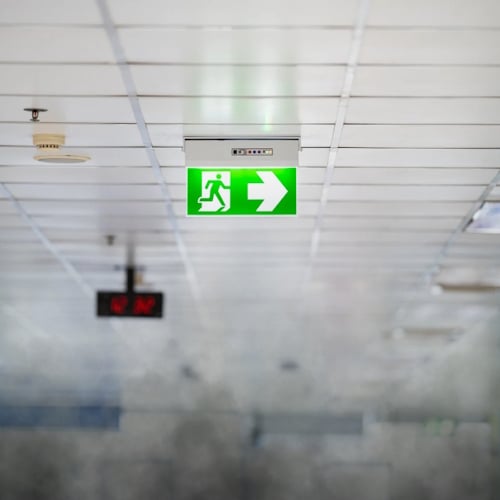
In the event of a fire in crowded spaces such as airports, hospitals, municipal buildings, schools, or skyscrapers it is crucial to have low toxic gas and smoke emission cables to facilitate the evacuation process.

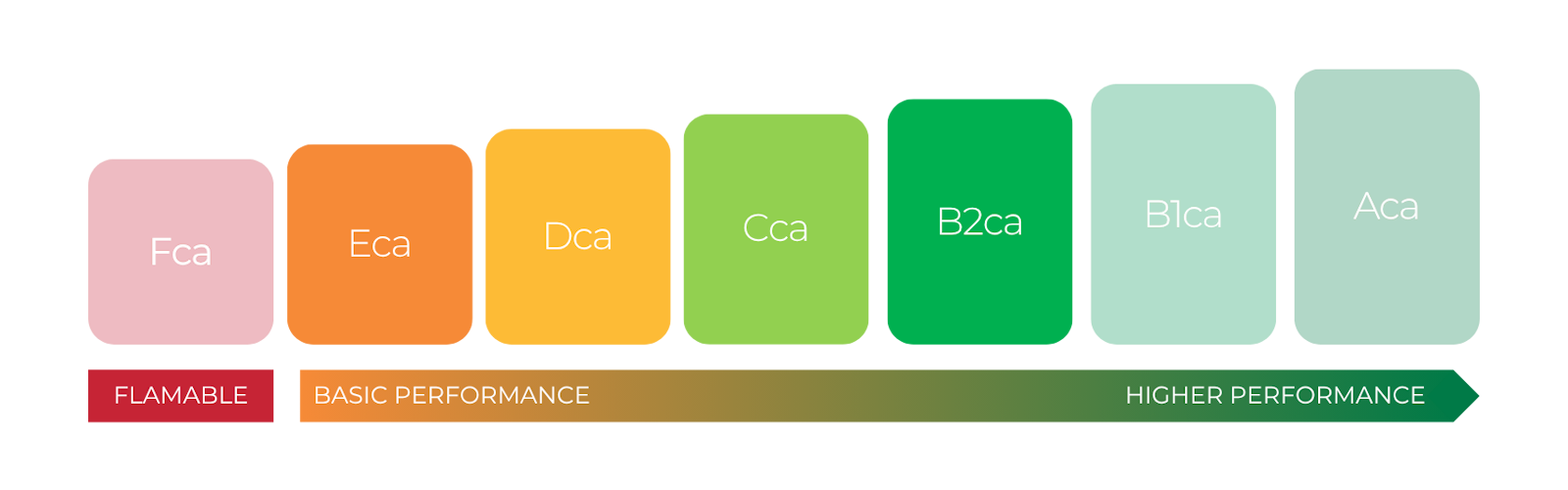
Cables designed for fixed installation in residential and commercial buildings are subject to the Construction Products Regulation (CPR), regulated by EN 50575. For the reaction to fire of cables the CPR directive has identified seven different performance classes, where heat release and flame propagation are the main classification criteria. Class Aca defines non-flammable (non-reactive) cables, while class Fca contains cables that do not meet the requirements of class Eca (i.e. of indeterminate performance). In addition to heat release and flame propagation there are three additional classifications that apply to classes Dca, Cca, B2ca and B1ca: smoke emissions, flame droplets and acidity.

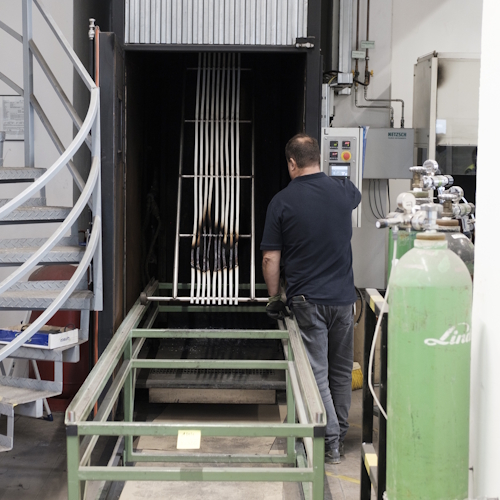
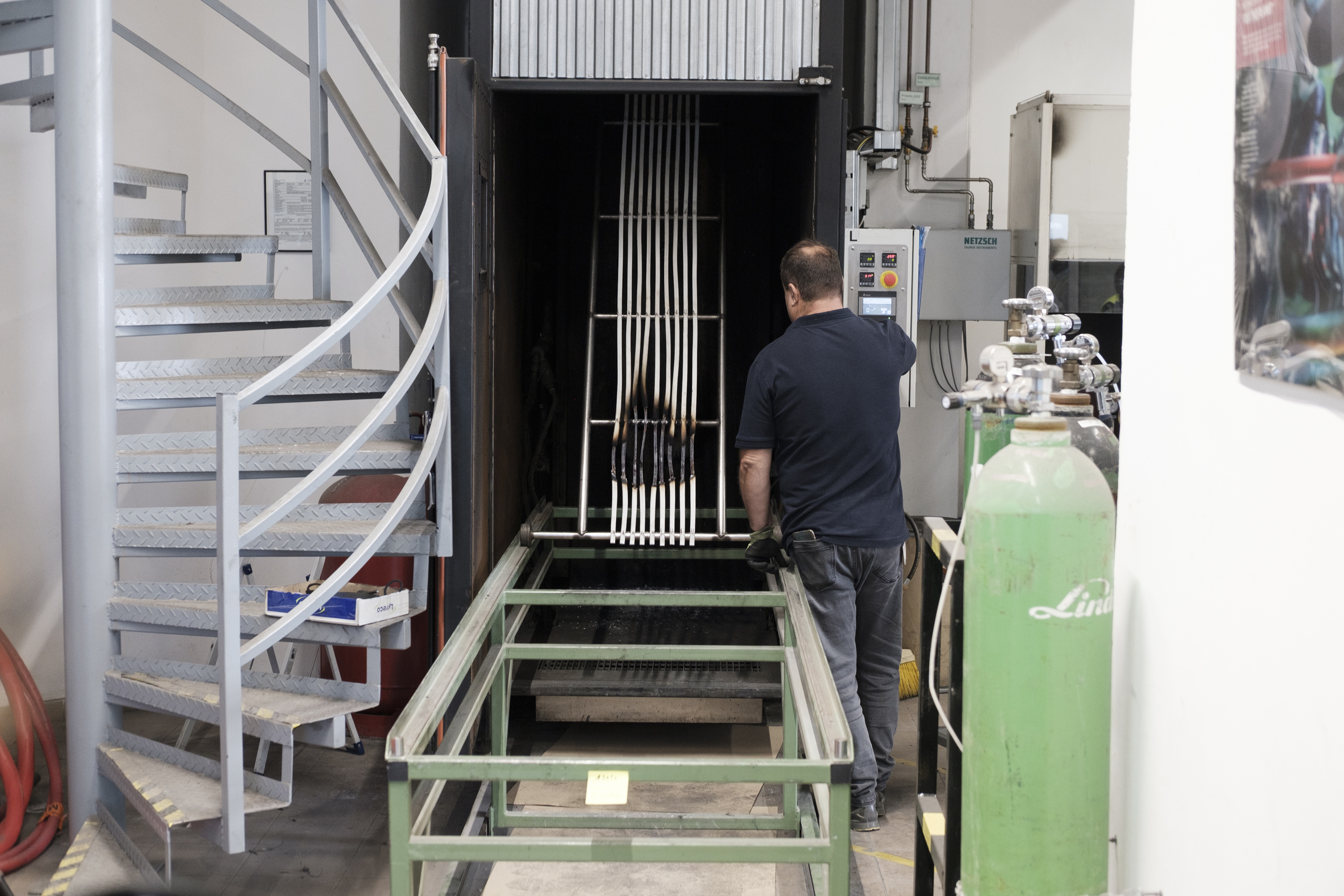
Testing LSOH cables in our factory is Kistelek

The Prysmian plant in Kistelek operates in compliance with stringent quality, fire safety, and TÜV requirements, where LS0H cables undergo regular testing and inspections to help ensure the highest levels of safety and performance.

CPR MAP
CPR MAP

Frequently Asked Questions (FAQ)

The EU Construction Products Regulation (CPR) sets fire-safety rules for cables installed permanently in buildings. Since 2017, these cables have needed a fire-performance class and CE marking under EN 50575.

Why it matters:

  • Safety: The class shows how much a cable adds to a fire's spread, heat, smoke and toxic gases. This affects how safely people can get out.
  • Compliance: National building rules set the minimum class for each type of building.
  • Transparency: Every compliant cable has a Declaration of Performance (DoP), so you can compare cables and check them.

LSOH stands for Low Smoke Zero Halogen. These cables are designed to emit very low levels of smoke and no halogen acid gases when exposed to fire, helping improve visibility and safety during evacuation.

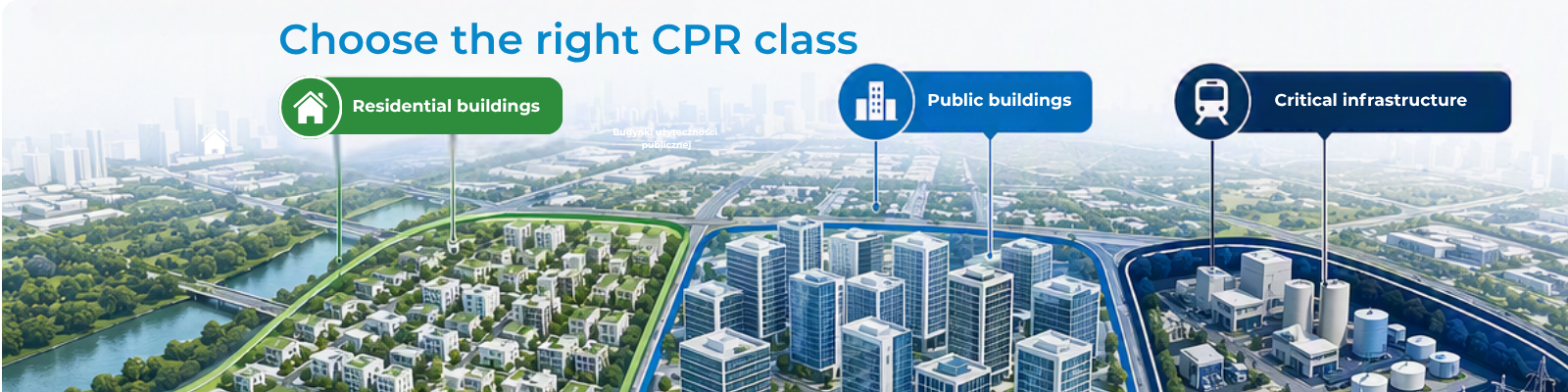
Choosing the right CPR class starts with understanding the building and its fire risk. Buildings can be grouped according to their use, with factors such as occupancy, evacuation conditions and the vulnerability of occupants influencing the appropriate cable classification.

The following criteria should be considered. In general, the greater the risk, the higher the required cable classification:

  • occupant density
  • difficulty of evacuation
  • complexity of intervention for rescue teams
  • vulnerability of occupants
  • importance of protecting cultural or valuable assets

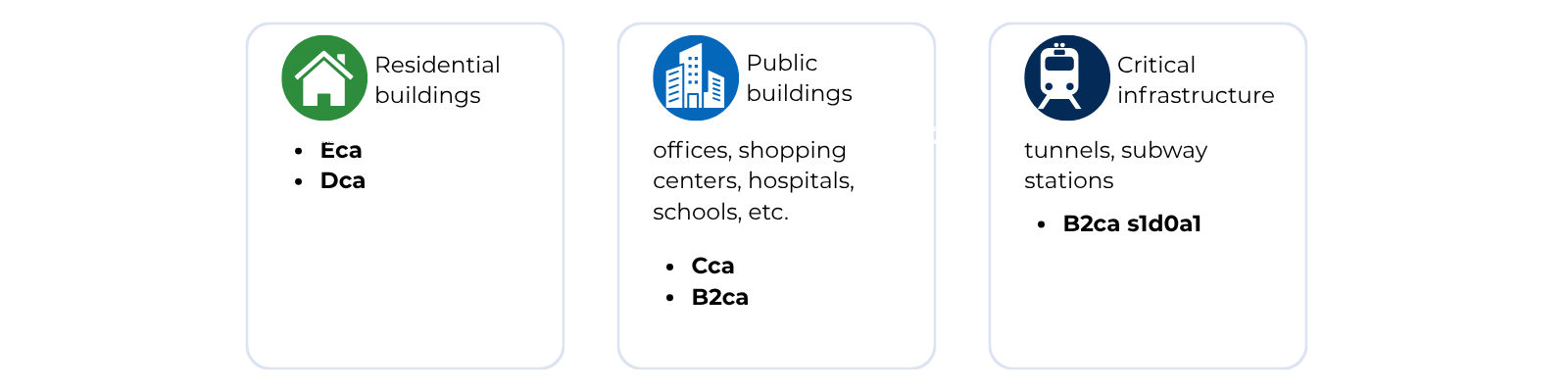
Based on these factors, Eca or Dca may be suitable for lower-risk applications such as residential buildings, while Cca or B2ca may be specified for public buildings such as schools, hospitals, offices and hotels. Higher-performance classifications, such as B2ca-s1,d0,a1 or B1ca-s1,d0,a1, may be required for higher-risk environments, including escape routes, tunnels, metro stations, data centres and critical infrastructure.

The required minimum CPR class is ultimately determined by national building regulations and the project's technical specifications.

Need help choosing the right cable? Consult the table below and ontact our experts at [email protected].


Choose the right cable
ConstructionCharacteristicsClassifications
Railway, metro stations, airports and high-rise buildingsCrowded premises lodging people from all over the world speaking different languages who are not familiar with the fire alarms and escape routes.High risk
B2ca
Health, rehab and long-term care facilitiesBuildings where speed of evacuation is critical, housing people that need assistance and activities that cannot be interrupted (e.g. surgical operations).Medium risk
B2ca and Cca
Cultural and entertainment facilitiesCrowded and often older, buildings not built to enable a quick escape of people. Many times including valuable artefacts needed to be protected from smoke and acid gases.Medium risk
B2ca and Cca
Offices, schools and recreational premisesCommonly crowded with people with limited knowledge of fire precautions and alarms.Medium risk
B2ca and Cca
Accommodation facilitiesHotels, motels, tourist villages or B&Bs tending to be crowded with people who are not familiar with the exit ways.Medium risk
B2ca and Cca
Shopping centresBuildings designed to hold large numbers of people, often families, who are not familiar with the building's fire alarms and escape routes.Medium risk
B2ca and Cca
Residential buildings, small markets, shops and restaurantsFacilities harbouring people who lives there and know the escape routes and/or smaller establishments with easy-to-find emergency exits.Low risk
Dca

CPR classes rate how a cable behaves in a fire. The four classes from safest to most basic are:

From B2ca to Dca, the class also shows extra ratings: s for smoke, d for burning droplets and a for acidity. For example, B2ca-s1,d0,a1 is one of the safest ratings for cables. National building rules set the minimum class

Flame-retardant cables help limit the spread of fire along the cable route. Fire-resistant cables keep power and signals running during a fire, so safety systems keep working while people get out.

Good to know:

  • FE180 and PH120 test the cable on its own. FE180 means it keeps working for up to 180 minutes; PH120 adds mechanical shock and lasts up to 120 minutes.
  • E30 and E90 test the whole installation, including trays and clips. The system has to keep working for 30 or 90 minutes.
  • Every fire-resistant cable is also flame-retardant, but a flame-retardant cable isn't automatically fire-resistant.
  • Prysmian's fire-resistant (N)HXH cable is certified to IEC 60331 and DIN 4102

Use fire-resistant cables wherever a circuit has to keep working during a fire. They're required in buildings with a high fire risk, buildings where many people gather, buildings holding valuable assets, and anywhere with high safety requirements.

Compared with traditional PVC cables, LSOH cables generate less smoke and fewer corrosive gases during a fire. This can improve visibility for evacuation, reduce damage to equipment, and create safer conditions for occupants and first responders.

The main difference between PVC and LSOH cables is fire performance. LSOH cables minimize smoke and toxic emissions during a fire, making them a preferred choice for hospitals, schools, data centers, and other public buildings.

When PVC cables burn, they can produce dense smoke and corrosive gases. These emissions may reduce visibility, make evacuation more difficult, and damage nearby equipment and infrastructure.

AFUMEX is Prysmian's low-fire-hazard cable technology. It is designed to reduce flame spread, smoke emissions, dangerous gases, and corrosive by-products, helping create safer environments during fire incidents.

Modern cable technologies help improve building safety by reducing flame propagation, smoke production, and corrosive emissions. Selecting the right cable can support safer evacuations and better protection for people, infrastructure, and equipment.